
What is the difference between country of birth and place of birth?
Is your country of birth your nationality
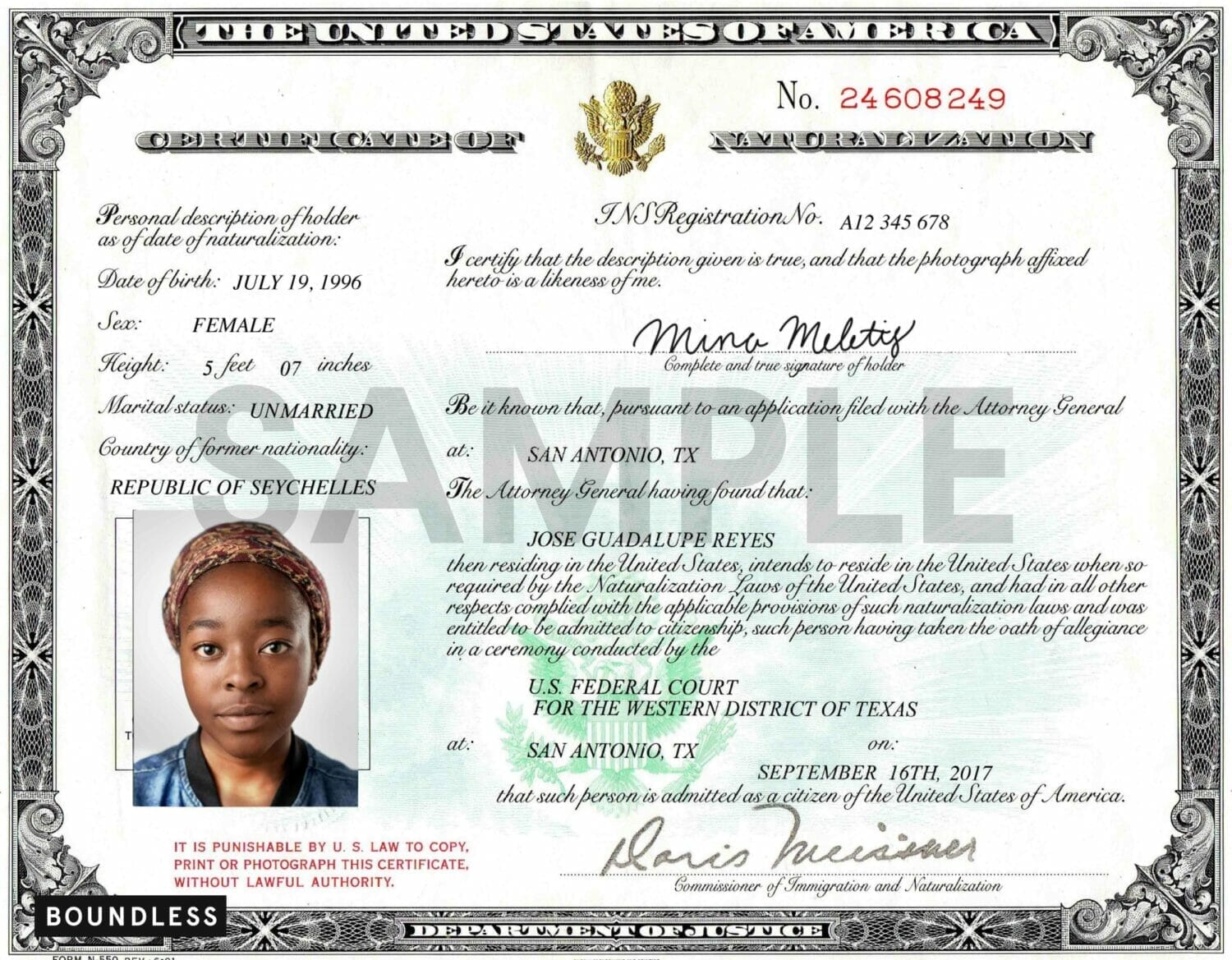
Country of birth is the country in which a person was born. This is different to nationality which is the country or countries where a person can have a legal status, although they may not reside in that country.
Is Japanese a nationality
Japanese nationality can be acquired in three ways: birth, notification, and naturalization. If the father or mother is a Japanese national at the time of birth. If the father died before the child's birth and was a Japanese national at the time of death.
Are you a citizen if you are born in Japan
While the answer to the question, “Does Japan give birthright citizenship” is “no”, there are some exceptions to this rule. For example, if a child is born in Japan and both parents are unknown or stateless, the child may be granted Japanese citizenship.
How do you choose Japanese nationality
You are required to submit a notification of a declaration of Japanese nationality, in which you swear that you choose to be a Japanese national and that you renounce the foreign nationality, to the office of city, ward, town or village (if you live in Japan) or to the embassy or the consulate of Japan (Ministry of …
What does place of birth mean
Place of birth refers to the name of the geographic location where the person was born. The geographic location is specified according to geographic boundaries current at the time of data collection, not the geographic boundaries at the time of birth.
What is an example of a place of birth
the town or other place where a person was born: The town was the birthplace (1868) of black writer W.E.B. DuBois. The birthplace of something is the place where it began or first developed: Known for its famous Mardi Gras celebrations, New Orleans is called the birthplace of jazz.
What is my race if I was born in Japan
Asian A person having origins in any of the original peoples of the Far East, Southeast Asia, or the Indian Subcontinent, including, for example, Cambodia, China, India, Japan, Korea, Malaysia, Pakistan, the Philippine Islands, Thailand, and Vietnam.
What is Tokyo nationality
Tokyo (/ˈtoʊkioʊ/; Japanese: 東京, Tōkyō, [toːkʲoː] ( listen)), officially the Tokyo Metropolis (東京都, Tōkyō-to), is the capital and most populous city of Japan.
Why doesn t Japan allow dual citizenship
The decision by the high court endorsed a district court ruling in January 2021 that deemed dual citizenship “could cause conflict in the rights and obligations between countries, as well as between the individual and the state.”
Can you have two nationalities in Japan
A person who possesses Japanese and a foreign nationality (a person of dual nationality) shall choose one nationality before he or she reaches twenty two years of age (or within two years after the day when he or she acquired the second nationality if he or she acquired such nationality after the day when he or she …
Which nationality is more in Japan
Ethnic groups
The Japanese people constitute the overwhelming majority of the population.
What should I write in place of birth
<Column 2.5: Place of Birth>
If you were born in India, write the place of birth (such as village or town or city), district, and the State or Union Territory in which the place is located, under the respective headings. If you were born outside India, write the country in which the place is located.
What do you put when it says place of birth
The place of birth shown on the passport should be the same as the place of birth shown on the birth certificate (that is the town, city, village, hamlet, etc where the individual was born).
Is the place of birth the city or country
Definition. Place of birth refers to the name of the geographic location where the person was born. The geographic location is specified according to geographic boundaries current at the time of data collection, not the geographic boundaries at the time of birth.
What is another word for place of birth
On this page you'll find 14 synonyms, antonyms, and words related to birthplace, such as: fatherland, motherland, country of origin, native home, native land, and one's country.
What is Japanese mixed ethnicity
Hāfu refers to a person who has one ethnic Japanese parent and one non-ethnic Japanese parent.
What is the difference between country and nationality
The Country of Birth is the place you were born, while the Country of Citizenship is the one where you were either born or naturalized and which you pledge allegiance to and Country of Nationality is the one of your citizenship belongs to or the one you consider your nationality to belong to.
What are people born in Tokyo called
Today, the definition of "Edokko" may vary. The Japanese dictionary simply defines it as one who was born and raised in Edo or Tokyo.
Can you have dual citizenship with Japan and US
Individuals can acquire dual US/Japan citizenship by either: being born in the US with at least one Japanese parent, or. being born in another country with one Japanese parent, and one US citizen parent who was present in the US for a certain period of time before the birth.
What is the biggest race in Japan
The Yamato people are the dominant native ethnic group of Japan and because of their numbers, the term Yamato is often used interchangeably with the term Japanese.


0 Comments