
Do I need cash in Osaka?
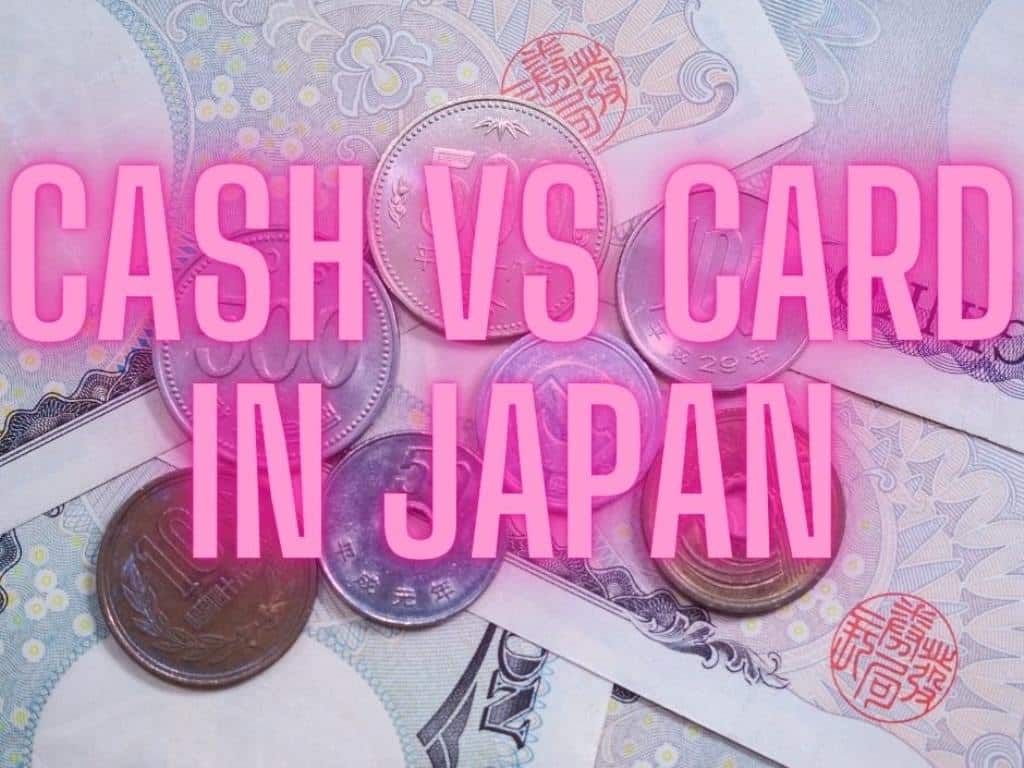
Should I bring cash in Japan
Though use of credit cards and e-currency has increased in recent years, Japan is still largely a cash-based society. The national currency of Japan is the Japanese Yen (¥). It's best to get some cash converted before you leave home so you have change handy to catch the train to your destination once you arrive.
How do you pay in Osaka
Only Japanese yen are accepted in Japan. You cannot pay for your transactions in any other currency. Most drink vending machines accept 1,000 yen notes and coins. You can also pay with large bills and with coins at most ticket vending machines at train and metro stations.
キャッシュ
Should I use cash or card in Japan
When in Japan, the primary form of payment should be cash. This is because many local businesses only accept cash as a form of payment, due to them not wanting to or being able to afford the fees included with cards.
How much pocket money to bring in Osaka
Regarding affordability, Osaka is definitely cheaper to visit compared to Tokyo, Japan! Now, it only depends on what you consider expensive. If you are to visit Osaka, you are most likely to spend a minimum of $95 USD to $97 USD a day, including accommodation, food, transportation, and entertainment.
Is Japan cashless
TOKYO — Cashless payments have grown to account for more than one-third of all consumption in Japan, fueled by the demand for touchless purchasing options during the COVID-19 pandemic.
How much cash do I need per day in Japan
So, for an 8-day trip, we recommend $640 dollars of spending money, which breaks down to about $80 dollars per person per day.
Is Japan cash or cashless
TOKYO — Cashless payments have grown to account for more than one-third of all consumption in Japan, fueled by the demand for touchless purchasing options during the COVID-19 pandemic.
Do you tip in Osaka
Restaurants. Staff in Japanese Restaurants do not expect to be tipped. Again tips handed off in person may be refused. If you feel like you want to leave a tip for extraordinary service, politely leave some Japanese yen on your table.
Why is Japan not cashless
Assessing the reasons why Japanese consumers prefer cash, Statista notes its security and reliability are highly valued. Over 55 percent of respondents cited concerns over personal information leakage as being a major drawback of cashless options.
Is Japan cashless now
TOKYO — Cashless payments have grown to account for more than one-third of all consumption in Japan, fueled by the demand for touchless purchasing options during the COVID-19 pandemic.
How much is a meal in Osaka
Cheap street food like okonomiyaki, takoyaki, ramen, soba and udon costs between 500 and 1,000 JPY (4.60 to 9.25 USD). Casual dining in Osaka can cost between 1,000 and 3,000 JPY (9.25 to 28 USD), and restaurants often offer discounted “set menus” during lunchtime.
Does Japan only accept cash
Travel card, debit card or credit card Japan is a cash society, but credit cards and debit cards are accepted in most places in Japanese cities. Establishments such as local restaurants, markets and rural inns (ryokans) are cash-only.
What is the best way to pay for things in Japan
Cash. Cash is the preferred payment option in Japan. Despite being a highly industrialized and developed nation, cash is generally the safest form of payment in Japan as it is most convenient for many businesses, retailers, and restaurants.
Is $1000 dollars enough in Japan
That's certainly a comfortable budget as long as you aren't expecting to eat many fancy meals or do a lot of drinking or clubbing. You can probably save some money with strategic use of transit passes (see summaries on Japan Guide or elsewhere). You should look into the Grutto Pass.
How much cash should I bring for 10 days in Japan
For our tours, we usually recommend $60 USD per person per day for spending money in Japan, and that'll cover meals, entertainment, and light souvenir shopping. If you're not on our tour, we recommend a little bit more per day to cover things like entrance fees.
Why do Japanese prefer cash
Assessing the reasons why Japanese consumers prefer cash, Statista notes its security and reliability are highly valued. Over 55 percent of respondents cited concerns over personal information leakage as being a major drawback of cashless options.
Is leaving a tip rude in Japan
Tipping in Japan is not expected, and attempts to leave a tip will almost certainly be turned down (a potentially awkward moment). In Japan, it's thought that by dining out or drinking at a bar, you are already paying the establishment for good service.
Is it rude to not tip in Japan
Tipping in Japan is not customary. It is in the Japanese culture to take pride in your work. As such, employees have the highest standards when supplying a service and don't feel the need to accept tips to feel appreciated. Indeed, as stated in many Japan travel guide, attempting to tip staff can be offensive.
Is cash still popular in Japan
With digital payments accounting for around 36 percent of the private consumption expenditure in 2022, cash is still considered king in the country. Aiming to increase the cashless payment ratio to 40 percent by 2025, the government has actively promoted cashless payments in recent years.
Why is Japan still using cash
Assessing the reasons why Japanese consumers prefer cash, Statista notes its security and reliability are highly valued. Over 55 percent of respondents cited concerns over personal information leakage as being a major drawback of cashless options.

0 Comments