
What is the cleanest fish to eat?
What is the healthiest fish
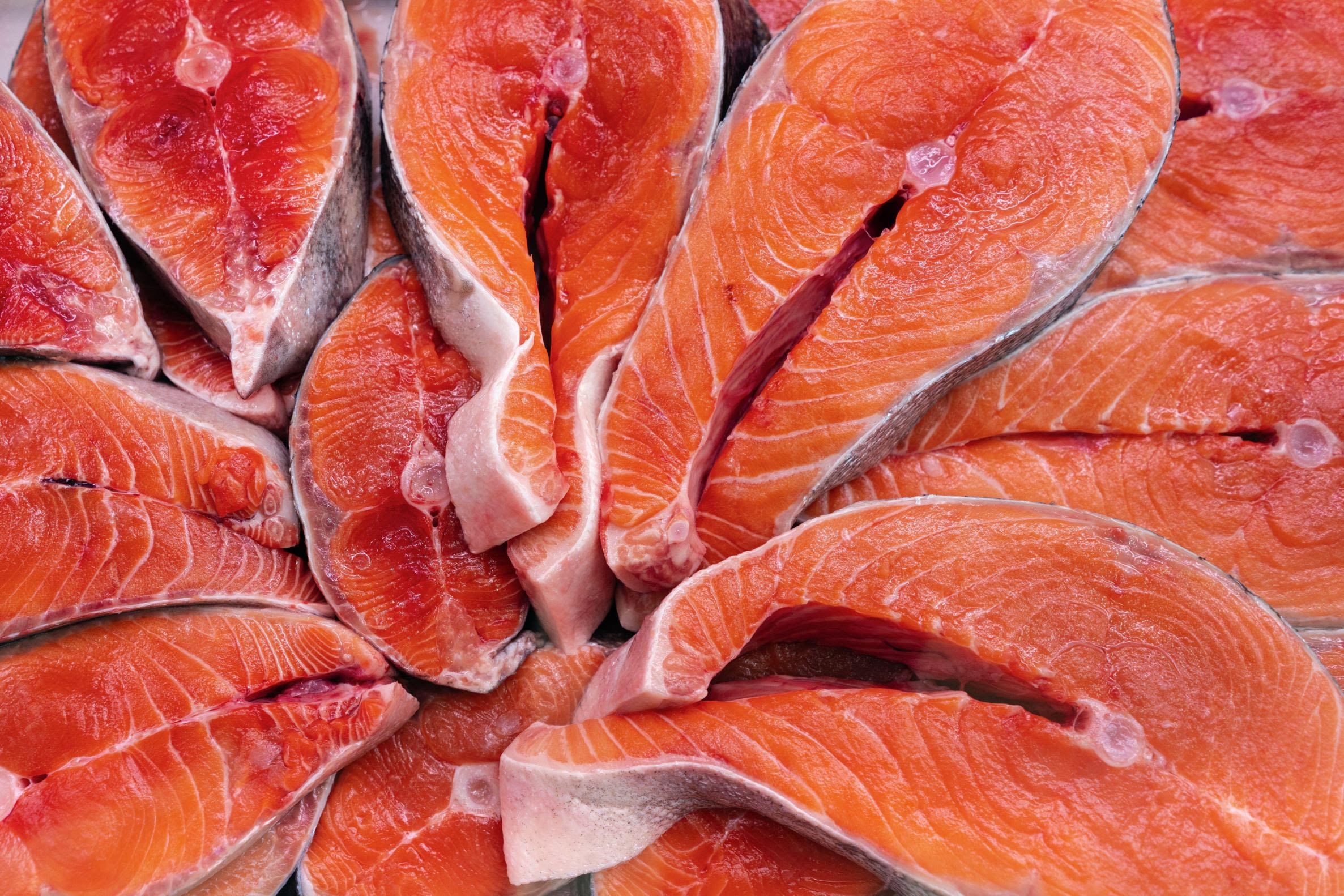
6 of the Healthiest Fish to EatOysters (farmed) Farmed oysters are good for you (a 3-ounce serving contains over 300 mg of omega-3s and about a third of the recommended daily values of iron).Sardines, Pacific (wild-caught)Rainbow Trout (farmed)Freshwater Coho Salmon (farmed in tank systems, from the US)
What is the healthiest white fish to eat
Some of the best examples of white fish include cod, snapper, flounder, haddock, halibut and grouper. These types of fish are rich in protein as well as important micronutrients, like selenium, vitamin B12, phosphorus and magnesium.
What do Japanese eat to stay healthy
A traditional Japanese diet is well balanced. It contains more fish than red meat, plenty of vegetables, pickled and fermented foods, and small portions of rice. Raw fish in dishes are also common. The diet involves little highly processed food and lower overall sugar intake.
Is Japanese food good for high cholesterol
The final reason Japanese cuisine is considered so healthy is that Japanese food is high in protein content. Soy protein is a very common ingredient in Japanese foods. It is a complete protein that contains all of the essential amino acids our bodies need. Soy protein can also lower cholesterol.
Can I eat fish everyday
But is it safe to eat fish every day “For most individuals it's fine to eat fish every day,” says Eric Rimm, professor of epidemiology and nutrition, in an August 30, 2015 article on Today.com, adding that “it's certainly better to eat fish every day than to eat beef every day.”
Which fish has the least mercury
Choose fish and shellfish that are lower in mercury such as salmon, trout, tilapia, cod, sole, sardines, shrimp, oysters, and other shellfish. For the most health benefits, choose fatty fish such as salmon, trout, herring, chub mackerel, and sardines. o These fish have healthy omega-3 fatty acids.
Why do Japanese people live longer
There is some evidence that Japanese people have good genes which aid their longevity. Studies have suggested two genes in particular – DNA 5178 and the ND2-237Met NDgenotype – help the Japanese live longer by protecting them against some adult-onset diseases.
Which is healthier Chinese or Japanese food
Generally, Japanese foods are considered healthier and more nutritious than Chinese meals. The reason lies in the use of fats, carbs, and proteins. Japanese cuisine uses a lot of proteins, and the primary source is seafood. Usually, the Japanese serve raw seafood. However, some prefer steaming and stir-frying.
What Japanese food is low in cholesterol
Miso soup usually accompanies most Japanese dishes and it's highly revered for its nutritional content. As it's a cultured food, it has a rich source of healthy probiotics or good bacteria. It is also high in protein, lowers cholesterol, and improves the immune system.
What is the best food to fight high cholesterol
13 Cholesterol-Lowering Foods to Add to Your DietSome foods, including legumes and nuts, may help lower your cholesterol.Legumes.Avocados.Nuts — Especially Almonds and Walnuts.Fatty Fish.Whole Grains — Especially Oats and Barley.Fruits and Berries.Dark Chocolate and Cocoa.
Can I eat salmon every day
The Food and Drug Administration (FDA) suggests eating 8 ounces of fish per week. Depending on your preferences, some or all of that could be salmon. You can spread it throughout the week however you choose. The main benefit of regularly eating salmon is that it'll boost your intake of omega-3 fatty acids.
Which fish is worst mercury
Sharks, such as the mako shark, have very high levels of mercury. A study on New Jersey coastal fish indicated that one third of the sampled fish had levels of mercury above 0.5 parts per million, a level that could pose a human health concern for consumers who regularly eat this fish.
Is shrimp high in mercury
Five of the most commonly eaten fish that are low in mercury are shrimp, canned light tuna, salmon, pollock, and catfish. Another commonly eaten fish, albacore ("white") tuna has more mercury than canned light tuna.
Why do Japanese look younger
They maintain high collagen levels
Collagen is a vital protein for our skin. If you have lesser of it then you will look older. In Japan, collagen supplements are quite common. Also, they include it naturally by having bone broth, fish, chicken, egg whites, greens, and citrus fruits among others.
What is the healthy life expectancy in Japan
Japan boasts one of the highest overall life expectancies among nations. The life expectancy is the highest for Japanese women and 6th for Japanese men in the world. The average Japanese life span is 80.5 years in men and 86.8 years in women. Japanese diet is highly focused as one of key components of the longevity.
Why do the Japanese eat so healthy
Japanese foods are healthy because of their cooking methods, e.g., boiling, steaming, grilling, broiling, stir-frying, and fermenting. They eat rice and noodles instead of bread made of refined flour. Japanese fermented foods are rich in soy proteins, which regulate hormonal balance and promote a healthy lifestyle.
Why is Japanese food so high quality
The emphasis on fresh, high-quality ingredients, along with a balanced combination of fish, seafood, rice, vegetables, soy products, green tea, and fermented foods, make Japanese cuisine a nutritious and delicious choice for those seeking a healthy diet.
What is the unhealthiest food in Japan
Ramen is a nation dish and everyone loves it in Japan, but unfortunately it's not generally healthy. Ramen dish contains a large amount of carbs, sodium and fat, and the most popular Ramen flavour, Tonkotsu (creamy pork broth) holds the worst amount of them.
What foods have zero cholesterol
Cholesterol is only found in foods that come from animals, there is no cholesterol in foods that come from plants. So, there is no cholesterol in fruit, vegetables, grains, seeds, nuts, beans, peas and lentils.
What foods flush cholesterol
Here are five of those foods:Oats. An easy way to start lowering cholesterol is to choose oatmeal or an oat-based cold cereal like Cheerios for breakfast.Beans. Beans are especially rich in soluble fiber.Nuts.Foods fortified with sterols and stanols.Fatty fish.


0 Comments