
What is the unhealthiest part of ramen?
What is the most unhealthy food in Japan
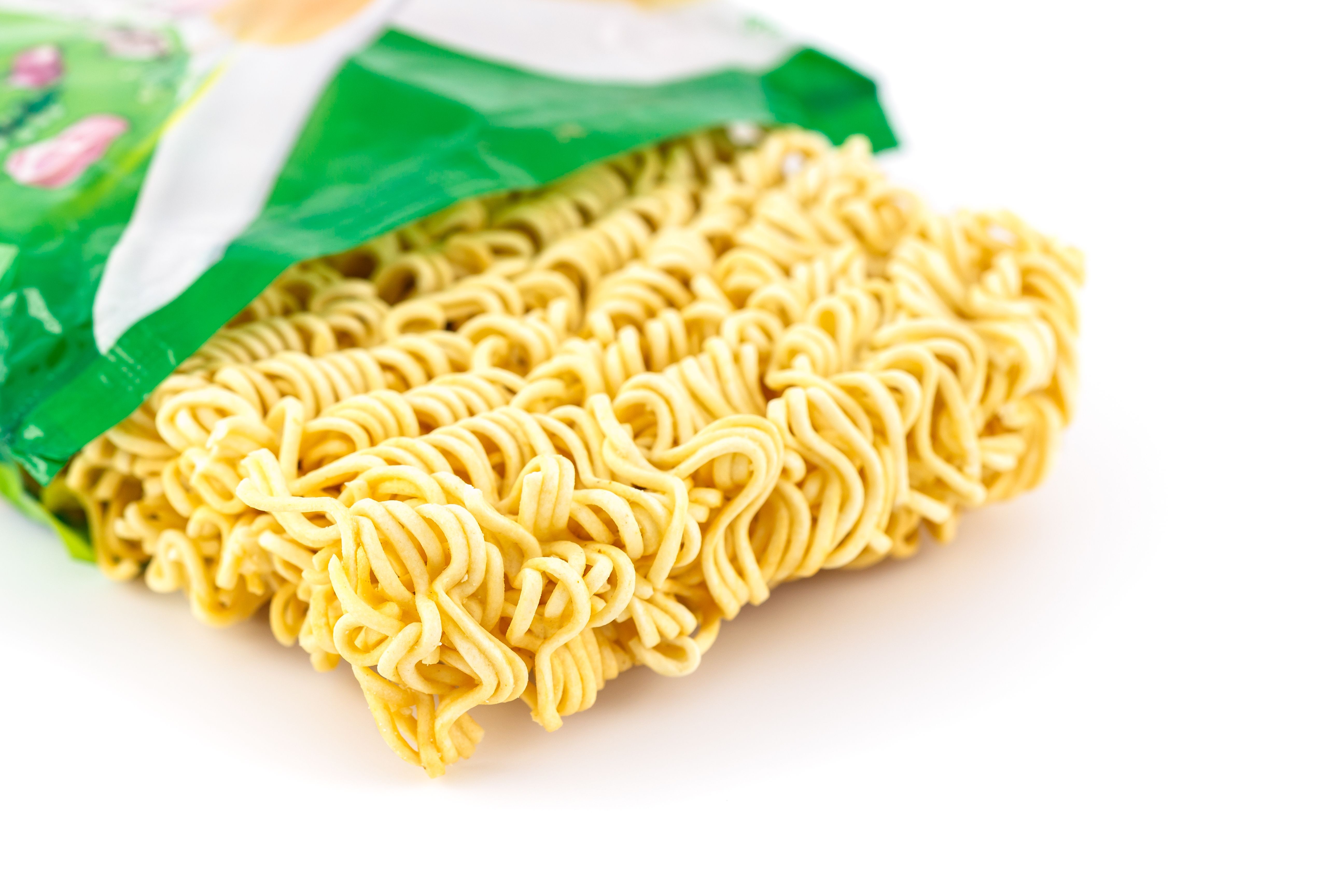
Ramen is a nation dish and everyone loves it in Japan, but unfortunately it's not generally healthy. Ramen dish contains a large amount of carbs, sodium and fat, and the most popular Ramen flavour, Tonkotsu (creamy pork broth) holds the worst amount of them.
キャッシュ
What is unhealthy about Japanese food
Too much salt
A typical Japanese meal is loaded with salt in its miso soup, pickled vegetables, egg dishes, and soy sauce. A bowl of miso soup contains about 25% of the recommended daily allowance of sodium for a healthy adult.
Is Japanese food fattening
The traditional Japanese diet is rich in vegetables, has small portion sizes, and is naturally low in added sugar and fat. These factors all contribute to a low calorie count ( 18 ). In addition, Japanese culture encourages eating until only 80% full.
Is Chicken Katsu bad for you
The curry is a sauce that tends to be milder in flavor than other curries. Unfortunately, katsu curry can be high in calories and not very healthy for you. Curries, in general, tend to be more fattening than people expect. If you're looking for a way to make your favorite dish waistline-friendly, look no further.
What is the 1 most unhealthy food in the world
Here are top 10 unhealthy foods that extremely harmful for your health:Sugar. How many times have you been advised to cut down on sugarSoft drinks. Carbonated soft drinks are one of the biggest sources of added sugar and caffeine in the diet.Refined carbohydrates.Alcohol.Potato crisps.Margarine.Canned soups.Doughnuts.
What is the 1 most unhealthy food
Worst Foods to Eat for Your HealthFoods with added sugar. Examples: Cookies, cake, ice cream, candy, sugary breakfast cereals, flavored yogurt.Foods with added salt. Examples: Chips, pretzels, breads, crackers, canned soup, processed snack foods.Refined carbohydrates.Processed meats.
What is the healthiest food in Japan
The Top 10 Healthy Japanese Foods You Need To Eat NowSeaweed.Natto.Miso.Oily Fish.Sashimi.Soba.Rice.Japanese Pickles. Lastly, no meal in Japan is complete without 'tsukemono' or Japanese pickles, made from fruit or vegetables such as radish, cabbage, and cucumber using a salt or vinegar brine.
Why Japanese food is the healthiest
Japanese foods are healthy because of their cooking methods, e.g., boiling, steaming, grilling, broiling, stir-frying, and fermenting. They eat rice and noodles instead of bread made of refined flour. Japanese fermented foods are rich in soy proteins, which regulate hormonal balance and promote a healthy lifestyle.
Why do Japanese people live longer
There is some evidence that Japanese people have good genes which aid their longevity. Studies have suggested two genes in particular – DNA 5178 and the ND2-237Met NDgenotype – help the Japanese live longer by protecting them against some adult-onset diseases.
Is Japanese ramen bad for weight loss
While instant ramen may be an affordable and easy meal option, it is not the best choice if you're trying to lose weight. This is because it is high in calories, fat, sodium, and carbs, and it is lacking in fiber and protein. Below are all the reasons why eating ramen noodles is not conducive to weight loss.
Is Japanese curry unhealthy
To say it in simpler words, Japanese curry is not a much healthy meal since it is not nutritionally balanced. Depending on the ingredients, it may contain more than 500 calories and more sodium than anyone should consume in a month.
Is Japanese chicken katsu healthy
A lot of people ask this question since it is hard to imagine a crispy chicken dish to be healthy! But I can assure you, it is! The batter is simply made up of a little egg and some panko breadcrumbs. If you bake it or put it in your air fryer, you will use way less oil which will make it even healthier.
What are the 3 unhealthiest foods
Gottfried's Pick of 3 Worst Foods to AvoidHighly Processed Deli Meats. The nutritionist also advised staying away from highly processed deli meats as they're usually filled with large amounts of sodium and chemicals such as nitrites and nitrates.Sugary Coffee Drinks.Sugary Cereals.
What is the riskiest food to eat
Examples of high-risk foods include :Dairy products (milk, cream, cheese, yogurt, and products containing them such as cream pies and quiches)Eggs.Meat or meat products.Poultry.Fish and seafood.
What are the top 3 worst foods
Worst Foods to Eat for Your HealthFoods with added sugar. Examples: Cookies, cake, ice cream, candy, sugary breakfast cereals, flavored yogurt.Foods with added salt. Examples: Chips, pretzels, breads, crackers, canned soup, processed snack foods.Refined carbohydrates.Processed meats.
Are Japanese healthiest in the world
Basically, the Japanese diet is low in calories and extremely nutritious, making Japan one of the healthiest and longest living nations. In fact, Japanese have long been revered and studied for their long life expectancy, which is higher than almost anywhere else in the world.
Why do the Japanese eat so healthy
Japanese foods are healthy because of their cooking methods, e.g., boiling, steaming, grilling, broiling, stir-frying, and fermenting. They eat rice and noodles instead of bread made of refined flour. Japanese fermented foods are rich in soy proteins, which regulate hormonal balance and promote a healthy lifestyle.
Are Japanese people the healthiest in the world
Basically, the Japanese diet is low in calories and extremely nutritious, making Japan one of the healthiest and longest living nations. In fact, Japanese have long been revered and studied for their long life expectancy, which is higher than almost anywhere else in the world.
Why do Japanese look younger
They maintain high collagen levels
Collagen is a vital protein for our skin. If you have lesser of it then you will look older. In Japan, collagen supplements are quite common. Also, they include it naturally by having bone broth, fish, chicken, egg whites, greens, and citrus fruits among others.
Why do Asians live longer
Response: Nearly 90% (or 6.9 years) of this gap is attributable to the fact that Asians tend to outlive whites regardless of the cause of death (age effect). The causes that contribute the most to the gap are heart disease (24%) and cancers (18%).


0 Comments